Hedge Trimming in Palmers Green

Hedge Trimming Palmers Green provides a focused hedge cutting service for gardens that need clear lines, healthy growth management and a tidier finish. We handle routine hedge maintenance, seasonal shaping and reductions for formal and informal boundaries, always aiming for a neat result that suits the plant species and the space available. If you need a straightforward quotation, you can make an enquiry here.
Our work covers common domestic hedge care as well as larger boundary runs where access, height and finish all matter. We trim to encourage density, remove awkward overgrowth and keep hedges from spilling into paths, drives and neighbouring spaces. For customers comparing options, our services overview is a useful starting point, while this page explains the main hedge work in more detail.
Because different hedges respond differently, we look at growth pattern, intended shape and the best time for cutting before recommending a method. That approach helps protect the hedge while improving its appearance. Where a hedge needs more than a light tidy, we can discuss a stronger reduction or a staged return to shape, and we set out the main factors that affect the work in a clear way.
Routine Hedge Care and Seasonal Cutting
Regular hedge trimming is usually the best way to keep growth under control without forcing the plant into repeated harsh cuts. A careful, even pass helps preserve the intended outline and makes later maintenance simpler. For many gardens, that means trimming the sides and top at the right points in the season, then keeping an eye on the plant’s reaction so the hedge remains thick rather than patchy.
We can shape hedges to suit practical boundaries, decorative runs or more natural garden edges. A formal hedge often benefits from crisp vertical sides and a level top, while a softer screen may need a lighter, more sympathetic approach. If you are planning other garden work at the same time, our garden maintenance page gives a broader view of the related tasks we can coordinate.
Good trimming is not only about appearance. It can also help keep light, access and visibility more manageable around entrances, paths and seating areas. The aim is to cut with control rather than simply remove volume, so the hedge continues to do its job in the garden. Where a boundary has become uneven or one-sided, a measured tidy can bring it back into balance without overworking the plant.
Shaping, Reductions and Boundary Control

When a hedge has outgrown its space, a reduction may be more suitable than a light trim. This work is about bringing back height or spread in a way that keeps the plant as healthy as possible, using a sensible plan rather than removing too much at once. The right method depends on species, age, thickness and how far the hedge has already moved away from the preferred line.
Shaping also matters when a hedge is meant to look intentional. We can refine rounded, square or tapering forms, making sure the base receives enough light and the top does not become too heavy. A tidy shape can improve the whole garden, especially where a hedge forms the backdrop to planting or marks the edge of a lawn. For customers interested in broader garden changes, landscape gardening covers more design-led work.
Careful hedge reduction is often a gradual process. If a hedge has not been cut for some time, the first visit may focus on restoring a manageable outline rather than forcing a perfect finish immediately. That is often the most sensible way to protect both appearance and plant health. Where trimming is paired with other clearance, we can help keep the garden orderly while the hedge work is being completed.
Hedge Types, Access and Finish
Different hedge types call for different cutting choices. Fast-growing hedges may need more frequent attention, while slower-growing varieties benefit from less aggressive intervention and a steadier approach. We consider thickness, leaf density and any signs of uneven growth before deciding how to proceed. The goal is always a finish that looks intentional and is realistic for the plant to maintain.
Access is another important part of hedge work. A hedge beside a narrow side passage, a raised bank or a crowded border may take more planning than one with open access on both sides. That affects how the trimming is carried out, how waste is handled and how the final lines are checked. If the hedge sits within a wider garden refresh, our landscaping page may also be relevant for customers looking at more than just cutting back growth.
For a clean result, we work with the hedge’s natural structure rather than pushing every plant into the same pattern. That can mean leaving a softer profile where it suits the garden or aiming for strict edges where a formal boundary is preferred. Finishing details matter, because a hedge can look tidy from a distance while still needing careful attention at the edges, corners and top line.
What the Service Can Include

Hedge trimming may involve more than the visible cut. Depending on the hedge and the site, the work can include light reshaping, reduction of overlong growth, clearing stray shoots, and neatening the line along the top and sides. In some cases, a hedge also needs selective attention around gates, fences, driveways or paths so the surrounding space remains easy to use.
Some customers want a quick seasonal tidy, while others need a more thorough return to shape after a period of neglect. Both are valid, but the method should match the condition of the hedge. Where height or spread is a concern, we can discuss the practical limits of what can be done in one visit and whether a staged approach would be more suitable. If the job also involves removing cut material or other garden debris, garden clearance may be useful alongside the hedge work.
Useful points to consider before arranging the work include:
- how tall and wide the hedge currently is
- whether both sides are accessible
- if the hedge needs a light tidy or a stronger reduction
- what finish you want along the top, face and ends
- whether any waste removal is needed after cutting
How We Approach Quotation and Job Planning
A clear quotation is easier to prepare when the hedge type, length and approximate height are known. It also helps to know whether the work is straightforward cutting, more involved reshaping or part of a wider garden tidy. If a hedge runs along a boundary or includes awkward sections, those details matter because they influence access, time and the amount of material produced.
For a helpful enquiry, it is often enough to share a brief description of the hedge, its location in the garden and the kind of result you want. If you have more than one hedge, list them separately so the scope is easier to understand. That makes it simpler to compare options if you are also considering other services such as lawn mowing or general maintenance at the same time. A tidy description saves back-and-forth and helps keep the quotation accurate.
We aim to keep the process practical rather than complicated. The main point is to match the work to the hedge’s condition and your expectations for the finished shape. If there is uncertainty about how much can sensibly be cut, that is best discussed before the job starts. See pricing and quotes if you want to understand how estimates are approached across our services.
Hedge Care with Other Garden Services
Hedge trimming often sits alongside other garden tasks, especially where boundaries, lawns and surrounding planting all need a reset. A hedge may cast shade, drop cuttings or block access to a fence line, so it can make sense to think about the wider space as well as the hedge itself. Where the garden needs more than cutting back, we can talk through the services that complement the work.
If the hedge is part of a garden that also needs planting changes or a fuller redesign, our landscape gardening and landscaping pages explain related work in a straightforward way. These services are not the same as trimming, but they can be relevant when a boundary hedge is only one part of a bigger outdoor project. The key is to decide whether the main need is maintenance, reshaping or a broader layout improvement.
Where waste, overgrowth or cut branches have built up around the hedge, combining services may create a more complete finish. That can reduce the number of separate jobs needed and make the overall result easier to keep under control. If the space includes awkward timber edges, tired deck surroundings or neglected corners, it may be worth reviewing those areas at the same time rather than dealing with each one in isolation.
About Palmers Green

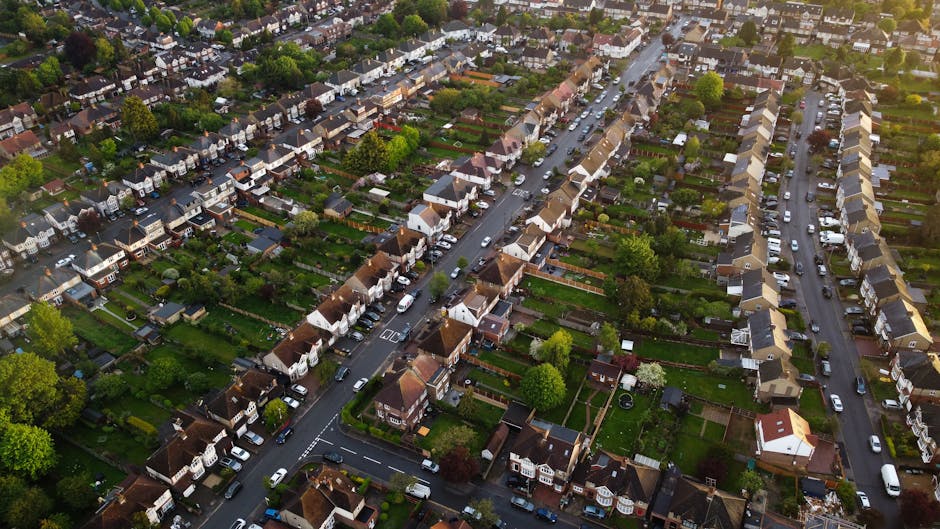
Palmers Green is a suburban district in the London Borough of Enfield, in north London, and it is closely associated with the stretch of Green Lanes that forms its main commercial spine. The area grew significantly with railway development in the late nineteenth and early twentieth centuries, and much of its character today reflects that period of suburban expansion. Detached and semi-detached housing, interwar streets and smaller commercial parades sit alongside older routes and later infill, giving the district a varied built environment rather than a single uniform style. Broomfield Park is one of the best-known green spaces in the area, with formal gardens, open lawns and historic features that make it a local focal point. Nearby, the New River continues to shape the landscape and provides a visible reminder of the water infrastructure that once supported London’s growth. The district also has a well-established cultural mix, reflected in shops, cafés and community life around Green Lanes and adjoining streets. Palmers Green railway station links the area to central London, while the surrounding roads connect it to other parts of north London and Enfield. Taken together, these features give Palmers Green a distinctly suburban identity that combines transport access, residential streets, parks and a busy high street corridor.
Hedge Trimming for Different Garden Layouts

Gardens are not all arranged in the same way, so hedge trimming needs to suit the layout as well as the plant. A hedge along a front boundary has different priorities from one dividing garden zones, screening a seating area or lining a rear fence. The same service can therefore produce quite different results depending on where the hedge sits and how it is used day to day.
Where a hedge frames an entrance or path, neat lines and clear clearance often matter most. A hedge that runs along a private boundary may instead need more attention to height, thickness and the amount of light it lets through. In smaller spaces, even a modest trim can make the area feel better proportioned. In larger gardens, a well-managed hedge can help define separate sections without making the space feel closed in.
If you would like to request a quotation for hedge trimming in Palmers Green, the next step is simple: send a brief description of the hedge and the finish you want, and we can take it from there. For a direct enquiry, use our contact page to start the conversation.